
Short answer: the higher the number in the name, the darker the film. The exact figure is the VLT (the light that gets through): INDIUM 20 PLATINUM lets 69% through, INDIUM 80 SILVER only 5%. Use the lightest on the windshield, and shades 40 to 80 on the sides and rear for the privacy you want.
What the numbers mean
When you buy car window film in Indonesia you will hear numbers like 20%, 40%, 60% or 80%. In this market the number describes how dark the film looks: the higher it is, the darker the cabin looks from outside and the less light gets in.
Indium names follow the same idea: INDIUM 20 PLATINUM is the lightest, then the 40, 60 and 80 shades of each series (Indium Platinum, Indium Silver and Indium Black IR).
The number in the name is a darkness class, not an exact percentage. To know how dark a film really is, look at the VLT (visible light transmission), the percentage of visible light that passes through. The lower the VLT, the darker the film.
Same number, different darkness
Because the number is only a class, two shades with the same number from different series are not always equally dark:
- 40: INDIUM 40 BLACK IR lets 28% of light through, INDIUM 40 PLATINUM and INDIUM 40 SILVER 32%. Black IR 40 is a little darker.
- 80: INDIUM 80 SILVER lets 5% through, INDIUM 80 BLACK IR 9% and INDIUM 80 PLATINUM 10%. Silver 80 is the darkest.
So when you compare, always check the VLT column in the table below, not just the number in the name.
Specifications of every Indium type
| Indium Platinum Clear | Indium Silver Reflective | Indium Black IR Private | ||||||||
|---|---|---|---|---|---|---|---|---|---|---|
| Specification | Platinum 20 | Platinum 40 | Platinum 60 | Platinum 80 | Silver 40 | Silver 60 | Silver 80 | Black IR 40 | Black IR 60 | Black IR 80 |
| VLTVisible light through (lower = darker) | 69% | 32% | 18% | 10% | 32% | 14% | 5% | 28% | 19% | 9% |
| UVRUV rejected | 99% | 99% | 99% | 99% | 99% | 99% | 99% | 99% | 99% | 99% |
| IRRInfrared rejected | 97% | 99% | 99% | 99% | 92% | 87% | 93% | 75% | 80% | 85% |
| TSERTotal solar energy rejected | 64% | 75% | 91% | 83% | 70% | 74% | 81% | 60% | 64% | 70% |
VLT shows the darkness, UVR and IRR show how much UV and infrared is rejected, and TSER shows the total solar energy rejected. Every term is explained in the window film glossary.
Tint simulator
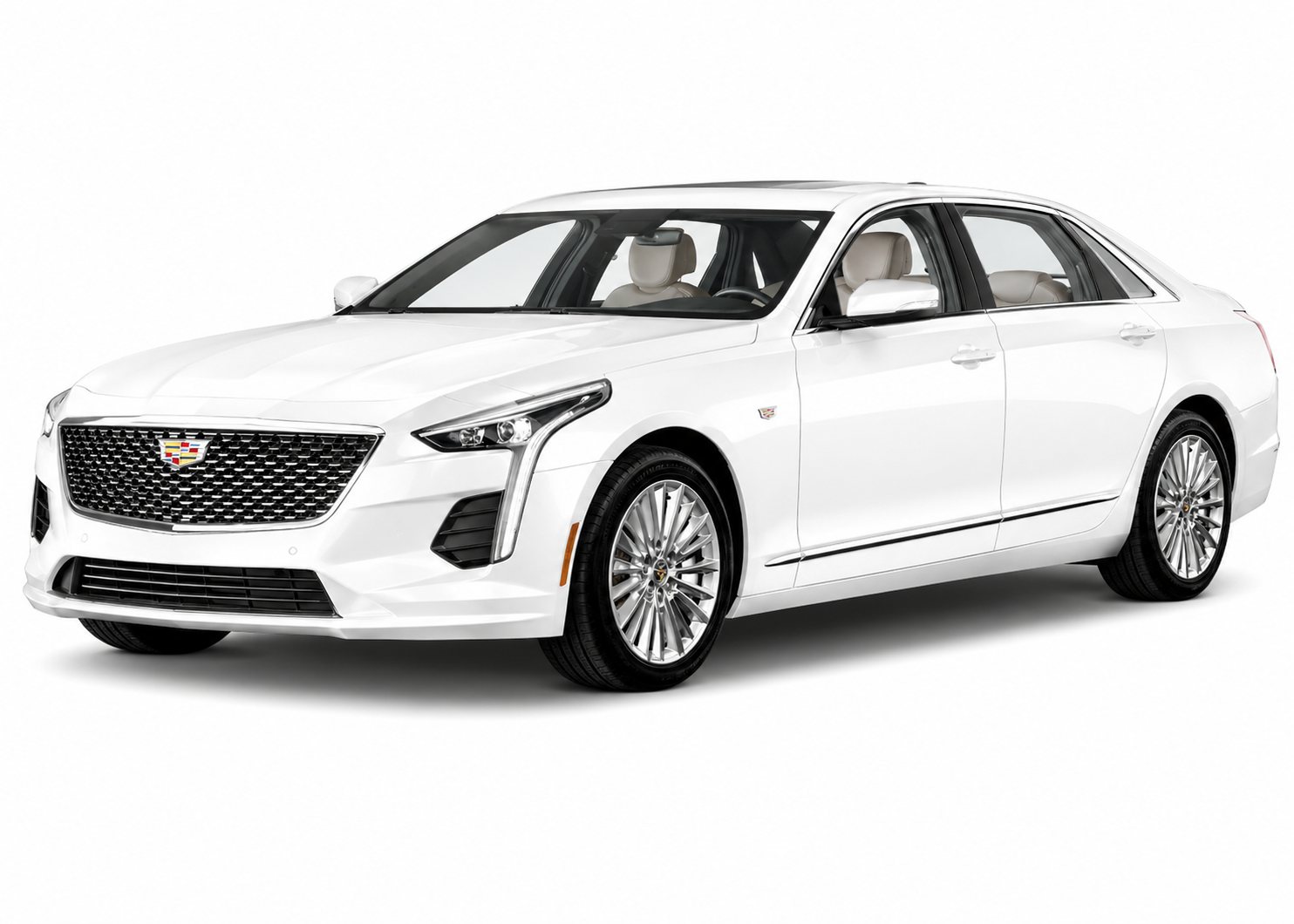
Try every type on a real car photo, from outside and from the driver's seat, with its VLT, UV, infrared and TSER figures.
Which shade on which window
| Window | Indium type | Why |
|---|---|---|
| Windshield | INDIUM 20 PLATINUM (VLT 69%) | The lightest type, so you keep a clear view of the road, especially at night and in the rain. |
| Front side windows | 40 or 60 | You still see the mirrors and the cars beside you comfortably. |
| Rear side windows | 60 or 80 | Privacy for passengers and things in the cabin. Indium Black IR for a deep black look, Indium Silver for a reflective look. |
| Rear window | 60 or 80 | Privacy, while the view through the rear-view mirror stays clear enough. |
| Sunroof | 80 | Direct sun from above; choose a type with a high TSER. |
The right choice depends on how much privacy you want and how you drive. An official dealer can show you film samples before installation. Prices by car size are on the price list.
Is darker window tint cooler?
Not necessarily. Sunlight is made of ultraviolet (UV), visible light and infrared. The heat you feel on your skin and in the cabin comes mainly from infrared, which you cannot see.
Darkness only reduces visible light, so compare TSER, the total solar energy rejected. An example from the table above: INDIUM 40 PLATINUM (VLT 32%) is much lighter than INDIUM 80 BLACK IR (VLT 9%), yet it rejects more heat: TSER 75% against 70%. The reason: Indium Platinum rejects 97–99% of infrared.
Every Indium type rejects 99% of UV, so even the lightest still protects your skin and interior.
Darkness and night driving
The darker the film, the less light reaches the driver's eyes. In daylight that is comfortable, but at night and in the rain it can reduce your view of the road. That is why the windshield should get a light type, and the dark types go on the rear side windows and the rear window.
A reflective film such as Indium Silver looks mirror-like from outside in daylight; from inside the cabin it looks like an ordinary tint of the same darkness.
Frequently asked questions
What does 80% window tint mean in Indonesia?
In Indonesia, the percentage on window film describes how dark it looks: the higher the number, the darker the film. The exact figure is the VLT (the light that passes through). For example, INDIUM 80 SILVER lets only 5% of visible light through, INDIUM 80 BLACK IR 9% and INDIUM 80 PLATINUM 10%.
Is a 40 from one series as dark as a 40 from another?
Not always. INDIUM 40 BLACK IR lets 28% of light through, INDIUM 40 PLATINUM and INDIUM 40 SILVER 32%. Compare the VLT in the spec table, not just the number in the name.
Which shade should I use on the windshield?
The lightest: INDIUM 20 PLATINUM, with 69% VLT, so you keep a clear view at night and in the rain. It still rejects 97% of infrared and 99% of UV.
Is darker window tint cooler?
Not necessarily. Most of the heat you feel is infrared, so compare TSER (total solar energy rejected), not darkness. For example, INDIUM 40 PLATINUM (VLT 32%) is much lighter than INDIUM 80 BLACK IR (VLT 9%), yet its TSER is higher: 75% against 70%.
Which Indium type is the darkest?
INDIUM 80 SILVER is the darkest, with 5% VLT: only 5% of visible light gets through. The highest total solar energy rejection is INDIUM 60 PLATINUM, with 91% TSER.